More Information
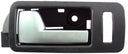
Door components cover everything from the mechanical systems that move your windows and lock your doors to the handles, hinges, and hardware that take daily abuse. Window regulators — both manual and power — are among the most common failures, typically showing up between 80,000–150,000 miles as motors burn out or plastic clips crack. Door lock actuators often fail around the same interval, especially in climates with extreme temperature swings. Exterior handles crack or corrode, interior handles break at the pivot point, and liftgate lift supports lose nitrogen charge and stop holding the hatch open. When buying, confirm whether your vehicle uses a cable-type or rod-type latch system, and verify the motor included in power regulator kits matches your door's connector style — OEM fitment eliminates those headaches, though quality aftermarket units from brands like Dorman and Standard Motor Products offer solid value for most daily drivers.
Signs you need replacement
- Window moves slowly, stops midway, or won't move at all. A failing power window regulator motor will often grind or whine before it quits entirely. On manual windows, a stripped gear or broken guide clip causes the same binding or dead-stop symptoms.
- Door won't lock or unlock when you press the button. A clicking noise with no movement points to a dead door lock actuator motor — the mechanism fires but the internal gears are stripped or the motor has seized.
- Interior or exterior door handle pulls but doesn't release the latch. The connecting rod or latch cable has likely snapped or disconnected, which is especially common on high-cycle driver's doors after 100,000+ miles.
- Liftgate or hatch drops on its own instead of staying open. Lift supports lose their gas charge over time — if the hatch no longer holds at full extension or requires manual propping, both supports should be replaced as a pair.
- Door swings open too freely or creaks and resists movement. Worn door checks (also called door detents) no longer hold the door at intermediate positions, and corroded or seized hinges create binding and uneven gaps that stress the door shell.
- Power sliding door hesitates, reverses, or won't stay on track. Failing sliding door rollers or a worn power sliding door cable are usually the culprit — dirt buildup accelerates wear on the roller assemblies faster than most drivers expect.
Frequently asked questions
- Do window regulators need to be replaced in pairs, or just the one that failed? Unlike struts, regulators don't need to be replaced in pairs — replace whichever side has failed. That said, if both front regulators are original on a high-mileage vehicle, replacing them together saves labor time since the second one often follows within a year or two.
- Are aftermarket door lock actuators and window regulators as reliable as OEM? Quality varies significantly. Brands like Dorman, Standard Motor Products, and ACI are well-regarded and often match OEM reliability at 40–60% of dealer pricing. Avoid unbranded assemblies with no warranty — actuator and regulator failures are labor-intensive to fix twice, so the few dollars saved rarely justify it.
- How difficult is it to replace a window regulator or door lock actuator yourself, and what else should I replace at the same time? Both are beginner-to-intermediate DIY jobs — most take 45–90 minutes per door with basic hand tools. Once the door panel is off, it's smart to inspect and replace the vapor barrier, check the latch cable, and test the actuator connector for corrosion. Regulator replacement runs $80–$250 in parts; dealer labor typically adds $150–$300 per door.