
Lighting - Interior
| Image | Title | Brand | Part # | Position | Fitment | Price | Availability | Actions | Image | Product | Price |
|---|---|---|---|---|---|---|---|---|---|---|---|
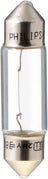 |
Dome Light BulbLongerLife - Twin Blister Pack
|

|
12844LLB2 | - | - | $7.59 | In Stock | |
Dome Light Bulb
LongerLife - Twin Blister Pack12844LLB2
|
$7.59 | |
 |
Ash Tray Light Bulb
|

|
194LL | - | - | $9.15 | In Stock | |
Ash Tray Light Bulb
194LL
|
$9.15 | |
 |
Trunk Light BulbHella
|
|
67TB | - | - | $9.60 | In Stock | |
Trunk Light Bulb
Hella67TB
|
$9.60 | |
 |
Ignition LightStandard - Twin Blister Pack
|
|
PC74B2 | - | - | $10.64 | In Stock | |
Ignition Light
Standard - Twin Blister PackPC74B2
|
$10.64 | |
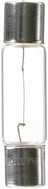 |
Dome Light BulbLongerLife - Twin Blister Pack
|
|
212-2LLB2 | - | - | $12.11 | In Stock | |
Dome Light Bulb
LongerLife - Twin Blister Pack212-2LLB2
|
$12.11 | |
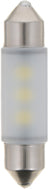 |
Dome Light BulbUltinon LED - White
|
|
DE3425WLED | - | - | $12.63 | In Stock | |
Dome Light Bulb
Ultinon LED - WhiteDE3425WLED
|
$12.63 | |
 |
Dome Light Lens
|

|
63318690150 | - | - | $25.26 | In Stock | |
Dome Light Lens
63318690150
|
$25.26 | |
 |
Overhead Console Light Bulb
|

|
639-011 | - | - | $30.22 | In Stock | |
Overhead Console Light Bulb
639-011
|
$30.22 | |
 |
Ignition Light
|
|
194G-SMD | - | - | $18.63 | In Stock | |
Ignition Light
194G-SMD
|
$18.63 | |
 |
Center High Mount Stop Light BulbUltinon LED - Red
|
|
921RLED | - | - | $26.46 | In Stock | |
Center High Mount Stop Light Bulb
Ultinon LED - Red921RLED
|
$26.46 | |
 |
Cargo Area Light
|
|
74501 | - | - | $26.68 | In Stock | |
Cargo Area Light
74501
|
$26.68 | |
 |
Dome Light Housing
|
|
74379 | - | - | $25.20 | In Stock | |
Dome Light Housing
74379
|
$25.20 | |
 |
Courtesy Light BulbHella
|
|
6411TB | - | - | $9.83 | In Stock | |
Courtesy Light Bulb
Hella6411TB
|
$9.83 | |
 |
Courtesy Light BulbHella
|
|
3893TB | - | - | $9.56 | In Stock | |
Courtesy Light Bulb
Hella3893TB
|
$9.56 | |
 |
Courtesy Light BulbHella
|
|
3893SB | - | - | $9.25 | In Stock | |
Courtesy Light Bulb
Hella3893SB
|
$9.25 | |
 |
Ash Tray Light BulbHella
|
|
158TB | - | - | $9.27 | In Stock | |
Ash Tray Light Bulb
Hella158TB
|
$9.27 | |
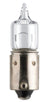 |
Dome Light BulbHella
|
|
H10W | - | - | $12.73 | In Stock | |
Dome Light Bulb
HellaH10W
|
$12.73 | |
 |
Center High Mount Stop Light BulbHella
|
|
DE3175SB | - | - | $5.27 | In Stock | |
Center High Mount Stop Light Bulb
HellaDE3175SB
|
$5.27 | |
 |
Trunk Light
|
|
90163160101 | - | - | $40.33 | In Stock | |
Trunk Light
90163160101
|
$40.33 | |
 |
Center High Mount Stop Light Bulb
|
|
7440W-HP | - | - | $49.50 | In Stock | |
Center High Mount Stop Light Bulb
7440W-HP
|
$49.50 | |
 |
Interior Door Light Bulb
|
|
6461W-SMD | - | - | $23.71 | In Stock | |
Interior Door Light Bulb
6461W-SMD
|
$23.71 | |
 |
Trunk Light Bulb
|
|
6461B-SMD | - | - | $23.71 | In Stock | |
Trunk Light Bulb
6461B-SMD
|
$23.71 | |
 |
Luggage Compartment Light Bulb
|
|
3175R-SMD | - | - | $23.81 | In Stock | |
Luggage Compartment Light Bulb
3175R-SMD
|
$23.81 | |
 |
Dome Light Bulb
|
|
3175G-SMD | - | - | $23.59 | In Stock | |
Dome Light Bulb
3175G-SMD
|
$23.59 | |
 |
Luggage Compartment Light Bulb
|
|
3175B-SMD | - | - | $23.59 | In Stock | |
Luggage Compartment Light Bulb
3175B-SMD
|
$23.59 | |
 |
Center High Mount Stop Light Bulb
|
|
3156R-SMD | - | - | $38.20 | In Stock | |
Center High Mount Stop Light Bulb
3156R-SMD
|
$38.20 | |
 |
Trunk Light Bulb
|
|
211W-HP | - | - | $28.75 | In Stock | |
Trunk Light Bulb
211W-HP
|
$28.75 | |
 |
HVAC Control Light Bulb
|
|
639-025 | - | - | $37.23 | In Stock | |
HVAC Control Light Bulb
639-025
|
$37.23 | |
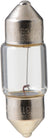 |
Dome Light BulbStandard - Twin Blister Pack
|
|
DE3175B2 | - | - | $7.46 | In Stock | |
Dome Light Bulb
Standard - Twin Blister PackDE3175B2
|
$7.46 | |
 |
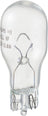
Transmission Shift Indicator Bulb
|
|
30710781 | - | - | $43.64 | In Stock | |
Transmission Shift Indicator Bulb
30710781
|
$43.64 | |
 |
Dome Light BulbStandard - Multiple Commercial Pack
|
|
H6WCP | - | - | $12.28 | In Stock | |
Dome Light Bulb
Standard - Multiple Commercial PackH6WCP
|
$12.28 | |
 |
Trunk Light Bulb
|
|
211B-HP | - | - | $26.04 | In Stock | |
Trunk Light Bulb
211B-HP
|
$26.04 | |
 |
Trunk Light BulbHella
|
|
DE3175TB | - | - | $7.02 | In Stock | |
Trunk Light Bulb
HellaDE3175TB
|
$7.02 | |
 |
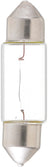
Dome Light BulbLongerLife - Twin Blister Pack
|
|
912LLB2 | - | - | $10.77 | In Stock | |
Dome Light Bulb
LongerLife - Twin Blister Pack912LLB2
|
$10.77 | |
 |
Dome Light BulbStandard - Twin Blister Pack
|
|
12854B2 | - | - | $5.44 | In Stock | |
Dome Light Bulb
Standard - Twin Blister Pack12854B2
|
$5.44 | |
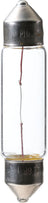 |
Dome Light BulbLongerLife - Twin Blister Pack
|
|
6411LLB2 | - | - | $8.03 | In Stock | |
Dome Light Bulb
LongerLife - Twin Blister Pack6411LLB2
|
$8.03 | |
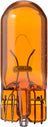 |
Courtesy Light BulbLongerLife - Twin Blister Pack
|
|
12396NALLB2 | - | - | $8.88 | In Stock | |
Courtesy Light Bulb
LongerLife - Twin Blister Pack12396NALLB2
|
$8.88 | |
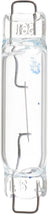 |
Dome Light BulbStandard - Twin Blister Pack
|
|
561B2 | - | - | $6.27 | In Stock | |
Dome Light Bulb
Standard - Twin Blister Pack561B2
|
$6.27 | |
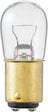 |
Dome Light BulbStandard - Twin Blister Pack
|
|
1004B2 | - | - | $6.09 | In Stock | |
Dome Light Bulb
Standard - Twin Blister Pack1004B2
|
$6.09 | |
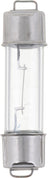 |
Dome Light BulbStandard - Twin Blister Pack
|
|
211-2B2 | - | - | $6.01 | In Stock | |
Dome Light Bulb
Standard - Twin Blister Pack211-2B2
|
$6.01 | |
 |
Trunk Light Bulb
|
|
3175W-SMD | - | - | $18.16 | In Stock | |
Trunk Light Bulb
3175W-SMD
|
$18.16 | |
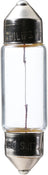 |
Dome Light BulbLongerLife - Twin Blister Pack
|
|
DE3423LLB2 | - | - | $7.79 | In Stock | |
Dome Light Bulb
LongerLife - Twin Blister PackDE3423LLB2
|
$7.79 | |
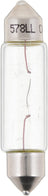 |
Dome Light BulbLongerLife - Twin Blister Pack
|
|
578LLB2 | - | - | $6.44 | In Stock | |
Dome Light Bulb
LongerLife - Twin Blister Pack578LLB2
|
$6.44 | |
 |
Clock Light BulbHELLA - OE Quality Miniature Bulb
|
|
3898TB | - | - | $9.82 | In Stock | |
Clock Light Bulb
HELLA - OE Quality Miniature Bulb3898TB
|
$9.82 | |
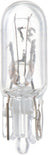 |
Ignition LightLongerLife - Twin Blister Pack
|
|
37LLB2 | - | - | $7.20 | In Stock | |
Ignition Light
LongerLife - Twin Blister Pack37LLB2
|
$7.20 | |
 |
Map Light Wiring Harness
|
|
601-382 | - | - | $47.21 | In Stock | |
Map Light Wiring Harness
601-382
|
$47.21 | |
 |
Dome Light BulbLongerLife - Twin Blister Pack
|
|
63LLB2 | - | - | $6.49 | In Stock | |
Dome Light Bulb
LongerLife - Twin Blister Pack63LLB2
|
$6.49 | |
 |
Trunk Light Bulb
|
|
211A-HP | - | - | $26.04 | In Stock | |
Trunk Light Bulb
211A-HP
|
$26.04 |
More Information
Interior lighting covers every bulb, lens, and housing that keeps your cabin, dash, and storage areas visible after dark — from the dome and map lights overhead to the small indicator bulbs behind your HVAC controls, clock, and ignition bezel. Most incandescent interior bulbs last 5–10 years under normal use, but heat cycles, vibration, and age-related socket corrosion can kill them sooner. Dim or flickering output usually means the bulb is failing; a completely dark fixture could be a bad bulb, a corroded socket, or a cracked lens letting in moisture. When buying replacements, match the bulb type and base exactly — common sizes include 168, 194, 212-2, and festoon-style bulbs — and verify fitment by year, make, and model since the same vehicle platform often uses different bulbs across trim levels. OEM bulbs guarantee a direct fit; quality aftermarket options from brands like Philips or Sylvania offer comparable output, often at a lower price point.
Signs you need replacement
- Dome or map light doesn't come on when doors open. If the switch and fuse check out, the bulb or bulb housing is the likely culprit — festoon and wedge-base bulbs in overhead fixtures are common failure points after 7–10 years.
- HVAC or clock controls are hard to read at night. The small indicator bulbs behind climate control panels and clock faces burn out individually, leaving sections of the display dark without affecting system function.
- Trunk or glove box stays dark when opened. These single-bulb fixtures see less use but are still subject to bulb aging and socket corrosion, especially in vehicles where moisture has entered the trunk area.
- Ignition or shifter area is unlit. The ignition light and surrounding bezel bulbs burn out with age and make nighttime key insertion difficult — a cheap fix that's easy to overlook.
- Dome light lens is yellowed, cracked, or broken. A damaged lens lets dust and moisture into the fixture, accelerating bulb failure and reducing light output even when the bulb is still good.
- Courtesy or interior door lights flicker during door open/close cycles. Flickering in door-mounted lights often points to a failing bulb or a loose connection in the door jamb socket aggravated by repeated flex.
Frequently asked questions
- How do I know which bulb size fits my dome or map light? Cross-reference your year, make, model, and trim using our fitment filter — interior bulb sizes vary even within the same model year across trim levels. Your owner's manual will also list bulb numbers by position, typically in the same section as fuse box diagrams.
- Are aftermarket interior bulbs as good as OEM, and is it worth upgrading to LED? For standard incandescent replacements, quality aftermarket bulbs from Philips or Sylvania match OEM output and longevity. LED upgrades offer longer life and brighter output but require confirming polarity and fitment — some housings don't clear the larger LED body, and a few vehicles throw a "bulb out" warning with LED draws.
- How difficult is it to replace interior bulbs yourself, and what should I replace at the same time? Most interior bulbs are a straightforward DIY job — 10–30 minutes with a trim pry tool and no special skills required. Since labor is minimal, replace all bulbs in a fixture or cluster at the same time. Bulb cost runs $2–$15 per bulb; a dome light lens replacement typically adds $10–$25.