
Find parts in 3 steps
Mobile Multi-media
| Image | Title | Brand | Part # | Position | Availability | Actions | Image | Product | ||
|---|---|---|---|---|---|---|---|---|---|---|
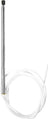 |
Antenna Mast
|

|
8618361RAM | - | $34.76 | In Stock | |
Antenna Mast
8618361RAM
|
$34.76 | |
 |
Antenna Mast
|
|
65221466360 | - | $28.02 | In Stock | |
Antenna Mast
65221466360
|
$28.02 | |
 |
Antenna Mast
|
|
65206930350 | - | $19.53 | In Stock | |
Antenna Mast
65206930350
|
$19.53 | |
 |
Antenna Mast
|
|
65206930294 | - | $19.17 | In Stock | |
Antenna Mast
65206930294
|
$19.17 | |
 |
Antenna Mast
|
|
65203451575 | - | $33.72 | In Stock | |
Antenna Mast
65203451575
|
$33.72 | |
 |
Antenna Mast
|
|
65202296772 | - | $30.69 | In Stock | |
Antenna Mast
65202296772
|
$30.69 | |
 |
Antenna Mast
|
|
5035944C | - | $24.77 | In Stock | |
Antenna Mast
5035944C
|
$24.77 | |
 |
Antenna Mast
|
|
5035944 | - | $26.04 | In Stock | |
Antenna Mast
5035944
|
$26.04 | |
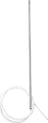 |
Antenna Mast
|
|
3533568 | - | $27.19 | In Stock | |
Antenna Mast
3533568
|
$27.19 | |
 |
Antenna Mast
|
|
3345775 | - | $27.66 | In Stock | |
Antenna Mast
3345775
|
$27.66 | |
 |
Antenna Cover
|
|
2108270031KIT | - | $32.42 | In Stock | |
Antenna Cover
2108270031KIT
|
$32.42 | |
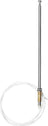 |
Antenna Mast
|
|
2018270001 | - | $29.66 | In Stock | |
Antenna Mast
2018270001
|
$29.66 | |
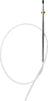 |
Antenna Mast
|
|
1408270001 | - | $27.38 | In Stock | |
Antenna Mast
1408270001
|
$27.38 | |
 |
Antenna Mast
|
|
1268270001 | - | $31.04 | In Stock | |
Antenna Mast
1268270001
|
$31.04 | |
 |
Antenna Mast
|

|
TY133888 | - | $26.79 | In Stock | |
Antenna Mast
TY133888
|
$26.79 | |
 |
Antenna Mast
|
|
TY133887 | - | $35.59 | In Stock | |
Antenna Mast
TY133887
|
$35.59 | |
 |
Antenna Mast
|
|
TY133886 | - | $35.04 | In Stock | |
Antenna Mast
TY133886
|
$35.04 | |
 |
Antenna Mast
|
|
NI132061 | - | $27.55 | In Stock | |
Antenna Mast
NI132061
|
$27.55 | |
 |
Antenna Mast
|
|
DBC2200 | - | $27.14 | In Stock | |
Antenna Mast
DBC2200
|
$27.14 | |
 |
Power Antenna
|
|
AUTA2030 | - | $61.99 | In Stock | |
Power Antenna
AUTA2030
|
$61.99 | |
 |
Power Antenna Mast
|

|
9504 | - | $49.10 | In Stock | |
Power Antenna Mast
9504
|
$49.10 | |
 |
Power Antenna Mast
|
|
9097 | - | $36.07 | In Stock | |
Power Antenna Mast
9097
|
$36.07 | |
 |
Antenna Mast
|

|
76854 | - | $54.35 | In Stock | |
Antenna Mast
76854
|
$54.35 | |
 |
Antenna
|

|
65203456090 | - | $624.38 | In Stock | |
Antenna
65203456090
|
$624.38 | |
 |
Power Antenna
|
|
AUTA2050 | - | $64.30 | In Stock | |
Power Antenna
AUTA2050
|
$64.30 | |
 |
Antenna Mast
|
|
76856 | - | $30.00 | In Stock | |
Antenna Mast
76856
|
$30.00 | |
 |
Antenna Base Cover
|
|
926-590 | - | $31.09 | In Stock | |
Antenna Base Cover
926-590
|
$31.09 | |
 |
Antenna Base
|
|
76814 | - | $28.33 | In Stock | |
Antenna Base
76814
|
$28.33 | |
 |
Antenna Mast
|
|
76866 | - | $29.49 | In Stock | |
Antenna Mast
76866
|
$29.49 | |
 |
Antenna Base Cover
|
|
926-589 | - | $32.28 | In Stock | |
Antenna Base Cover
926-589
|
$32.28 | |
 |
Antenna Mast
|
|
76002 | - | $38.97 | In Stock | |
Antenna Mast
76002
|
$38.97 | |
 |
Antenna Mast
|
|
76003 | - | $51.97 | In Stock | |
Antenna Mast
76003
|
$51.97 | |
 |
Antenna Mast
|
|
76006 | - | $38.45 | In Stock | |
Antenna Mast
76006
|
$38.45 | |
 |
USB Port Cover
|
|
57018 | - | $22.57 | In Stock | |
USB Port Cover
57018
|
$22.57 | |
 |
Antenna
|
|
76016 | - | $46.83 | In Stock | |
Antenna
76016
|
$46.83 | |
 |
Antenna
|
|
76007 | - | $32.86 | In Stock | |
Antenna
76007
|
$32.86 | |
 |
Antenna
|
|
76004 | - | $39.69 | In Stock | |
Antenna
76004
|
$39.69 | |
 |
Antenna Mast
|
|
76009 | - | $62.56 | In Stock | |
Antenna Mast
76009
|
$62.56 | |
 |
Antenna Mast
|
|
76005 | - | $37.93 | In Stock | |
Antenna Mast
76005
|
$37.93 | |
 |
Power Antenna
|
|
AUTA2030B | - | $66.38 | In Stock | |
Power Antenna
AUTA2030B
|
$66.38 | |
 |
Antenna Mast
|
|
700200 | - | $22.84 | In Stock | |
Antenna Mast
700200
|
$22.84 |
More Information
Vehicle antennas and antenna components handle AM/FM reception, satellite radio signals, and in some cases OnStar or remote keyless entry communication. The most common failure points are the antenna mast — the threaded or snap-fit rod that extends above the roof or fender — and the power antenna mechanism, which uses a small nylon rack and motor to raise and lower the mast automatically. Masts corrode, snap off in car washes, or strip their drive teeth over time. Power antenna assemblies typically last 8–12 years before the motor or rack fails. When shopping, verify fitment by year, make, and model — mast thread pitch and base mount diameter vary significantly across manufacturers. OEM replacements guarantee a precise fit, while quality aftermarket masts from brands like Metra or Votex are cost-effective for older vehicles where OEM parts are discontinued. Antenna base covers are often overlooked but prevent water intrusion into the fender cavity.
Signs you need replacement
- Poor or staticky AM/FM reception — A corroded, bent, or broken mast reduces signal quality noticeably. If reception degrades suddenly, inspect the mast for physical damage or rust at the base.
- Power antenna doesn't extend or retract — If the mast stays down when the radio is on, or won't retract when the ignition is off, the nylon drive rack inside the assembly is likely worn or the motor has failed.
- Grinding or chattering noise from the fender — A power antenna making noise during operation usually means the drive rack teeth are stripped or debris has entered the mast tube. Continuing to run it will burn out the motor.
- Mast is snapped off or visibly bent — Physical damage from a car wash, vandalism, or impact requires immediate mast replacement to restore reception and prevent water from entering the antenna base.
- Water leaking into the trunk or headliner near the antenna mount — A cracked or missing antenna base cover, or a loose base gasket, allows rainwater to track down the antenna lead and into the vehicle interior.
Frequently asked questions
- How do I know if I need just the mast or the full power antenna assembly? If the motor runs but the mast doesn't move, the nylon rack inside the mast is stripped — replace the mast only. If the motor is silent or the assembly hums without movement, the motor has failed and you'll need the full power antenna assembly, typically $30–$90 depending on vehicle.
- Are aftermarket antenna masts worth buying, or should I stick with OEM? For most daily drivers, quality aftermarket masts are a practical choice — they typically run $10–$25 versus $25–$60 OEM, and fit well on common platforms. For newer vehicles still under warranty or those with integrated amplified antennas, OEM is worth the premium to avoid signal issues or fitment headaches.
- Is replacing a power antenna something I can do myself, and what else should I replace at the same time? Most power antenna replacements are DIY-friendly — expect 45–90 minutes, basic hand tools, and access through the inner fender or trunk liner. While you're in there, replace the antenna lead cable if it's cracked or corroded. A new base gasket is cheap insurance against leaks and costs under $5.