
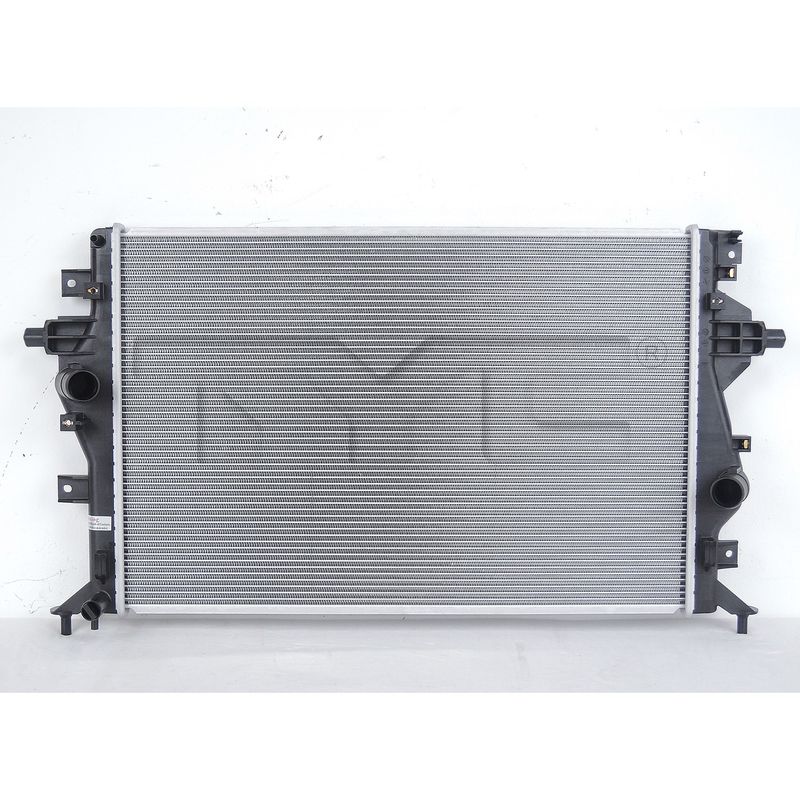

TYC 13678 Radiator
| Brand | TYC 13678 |
|---|---|
| Fits | Hyundai and Kia · 12 vehicles |
Direct-fit radiator. A straightforward replacement for the cooling system.
Radiator for dependable engine cooling performance.
Cross-references Partslink Numbering System HY3010216, 25310 G2000 and 25310-G2000 for the same application. See all 3.
Radiator for Hyundai Ioniq and Kia Niro
This TYC radiator, part number 13678, is a direct-fit cooling system replacement for select Hyundai and Kia hybrid applications. It is built for vehicles that need dependable engine heat transfer and stable operating temperatures in daily driving.
Key Features
- TYC replacement radiator for OE-style fitment
- Compatible with 2017-2022 Hyundai Ioniq
- Compatible with 2017-2022 Kia Niro
- Cross-references Hyundai 25310-G2000 and Partslink HY3010216
- Part number 13678 for catalog and fitment verification
Application Details
Fits 2017-2022 Hyundai Ioniq, N/A. Fits 2017-2022 Kia Niro, N/A. This radiator is listed for the same vehicle coverage as OE reference numbers 25310 G2000 and 25310-G2000, making it a practical replacement when the original radiator is leaking, restricted, or no longer maintaining proper cooling performance.
Common Uses
- Replacing a radiator with coolant seepage or visible damage
- Restoring cooling efficiency after overheating concerns
- Addressing internal blockage or reduced heat exchange
- Repairing a radiator that no longer holds pressure
- Returning the cooling system to proper operating condition
Installation Notes
Verify radiator dimensions, hose connections, and mounting points against the original unit before installation. Drain and refill the cooling system with the correct coolant, then bleed air from the system according to factory service procedures. Inspect related components such as hoses, clamps, thermostat, and fan operation during replacement.
Quality Assurance
TYC manufactures replacement cooling components for OE-style applications, and this radiator is cataloged for direct vehicle fitment on the listed Hyundai Ioniq and Kia Niro models.
| Year | Make | Model | Submodel | Body Type | Liters | Cylinders | Fuel Type | Notes |
|---|---|---|---|---|---|---|---|---|
| 2022 | Hyundai | Ioniq | Plug-In Hybrid SE | Hatchback | 1.6L | L4 | PLUG-IN HYBRID EV-GAS (PHEV) | — |
| 2022 | Kia | Niro | Plug-In Hybrid EX Premium | Sport Utility | 1.6L | L4 | PLUG-IN HYBRID EV-GAS (PHEV) | — |
| 2021 | Hyundai | Ioniq | Hybrid Preferred | Hatchback | 1.6L | L4 | FULL HYBRID EV-GAS (FHEV) | — |
| 2021 | Kia | Niro | Touring | Sport Utility | 1.6L | L4 | FULL HYBRID EV-GAS (FHEV) | — |
| 2020 | Hyundai | Ioniq | Plug-In Hybrid Ultimate | Hatchback | 1.6L | L4 | PLUG-IN HYBRID EV-GAS (PHEV) | — |
| 2020 | Kia | Niro | SX Touring | Sport Utility | 1.6L | L4 | FULL HYBRID EV-GAS (FHEV) | — |
| 2019 | Hyundai | Ioniq | Hybrid SEL | Hatchback | 1.6L | L4 | FULL HYBRID EV-GAS (FHEV) | — |
| 2019 | Kia | Niro | EX Premium | Sport Utility | 1.6L | L4 | FULL HYBRID EV-GAS (FHEV) | — |
| 2018 | Hyundai | Ioniq | Hybrid SEL | Hatchback | 1.6L | L4 | FULL HYBRID EV-GAS (FHEV) | — |
| 2018 | Kia | Niro | EX | Sport Utility | 1.6L | L4 | FULL HYBRID EV-GAS (FHEV) | — |
| 2017 | Hyundai | Ioniq | Hybrid Limited | Hatchback | 1.6L | L4 | FULL HYBRID EV-GAS (FHEV) | — |
| 2017 | Kia | Niro | L | Sport Utility | 1.6L | L4 | FULL HYBRID EV-GAS (FHEV) | — |
| No rows match your filter. | ||||||||