More Information
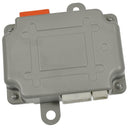
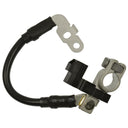
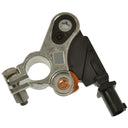
Battery current sensors monitor the flow of electricity in and out of your vehicle's 12V battery, feeding real-time data to the engine control module (ECM) or body control module (BCM) so the system can regulate alternator output, manage start-stop operation, and protect against overcharging or deep discharge. They're most common on vehicles with idle stop-start systems, regenerative braking, or intelligent charging — including most post-2010 European makes and a growing number of domestic and Asian vehicles. These sensors don't follow a fixed replacement interval; they typically fail due to corrosion, physical damage at the negative terminal clamp, or internal circuit failure. When buying, confirm the sensor matches your battery's negative cable harness connector — many are OEM-specific to amp rating and connector type. OEM units from Bosch, Continental, or the vehicle manufacturer are the safest fitment choice, though quality aftermarket sensors from Hella or Standard Motor Products are solid alternatives at a lower price point.
Signs you need replacement
- Battery warning light or charging system alert on the dash — the ECM uses current sensor data to manage alternator load; a failed sensor can trigger fault codes like B1S2, U0140, or alternator-related DTCs even when the alternator itself is functioning correctly.
- Erratic or excessive alternator cycling — if the alternator is hunting between high and low output, or running at full charge constantly on a healthy battery, a miscalibrated or failed current sensor is a common cause.
- Stop-start system refusing to engage or behaving erratically — vehicles with automatic stop-start rely heavily on accurate current data to decide when the battery has enough charge to restart the engine; a faulty sensor disables or destabilizes this function.
- Premature battery drain or repeated dead battery with no clear parasitic draw — if the BCM can't accurately track battery state of charge, it may allow discharge past safe thresholds or fail to wake the alternator in time.
- Visible corrosion, cracking, or a broken connector at the negative battery terminal clamp — most battery current sensors are integrated into or mounted directly on the negative cable; physical damage to the clamp area often means the sensor is compromised.
Frequently asked questions
- Does a battery current sensor need to be replaced every time I install a new battery? Not necessarily, but the sensor should be inspected whenever the battery is replaced. If your vehicle has a battery registration procedure (common on BMW, Mercedes-Benz, and Audi), the new battery must be coded to the ECM — and a faulty sensor at that point will cause ongoing charging management problems.
- Are aftermarket battery current sensors reliable, or should I stick with OEM? For most vehicles, quality aftermarket units from Standard Motor Products, Hella, or Bosch match OEM performance at 30–50% lower cost. On vehicles with advanced energy management systems — particularly German makes — OEM or OEM-equivalent parts are worth the premium to avoid calibration issues and repeat failures.
- How difficult is it to replace a battery current sensor, and what's the typical cost? It's a straightforward DIY job on most vehicles — disconnect the battery, unplug the sensor harness, swap the clamp-mounted sensor, and reconnect. Parts typically run $25–$120 depending on make and model. Some vehicles require a battery registration reset afterward using an OBD-II scan tool that supports the manufacturer's proprietary software.