
Select your vehicle
Wire, Cable and Related Components
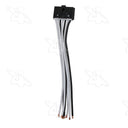

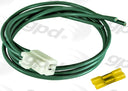

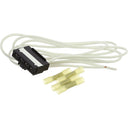
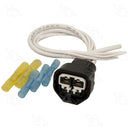
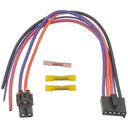


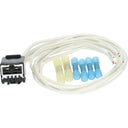
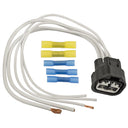
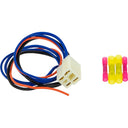
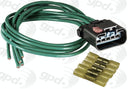
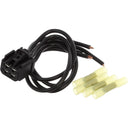
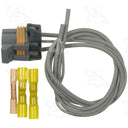
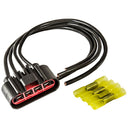
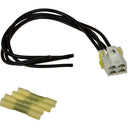
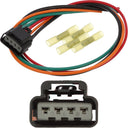
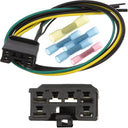
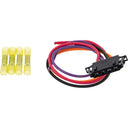
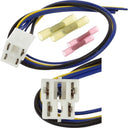
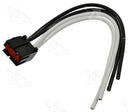
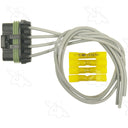
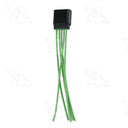
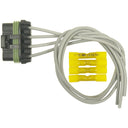
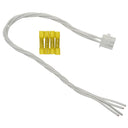
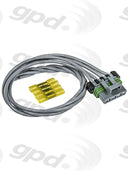
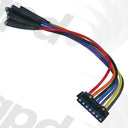
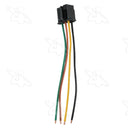
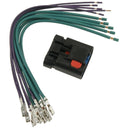
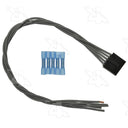
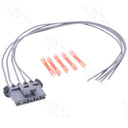
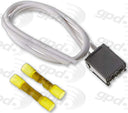
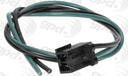
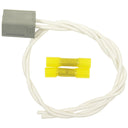
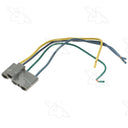
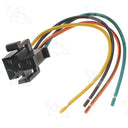
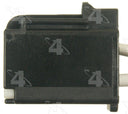
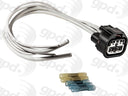
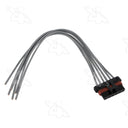
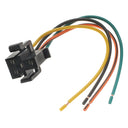
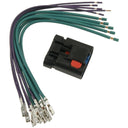

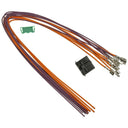
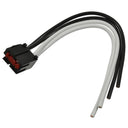
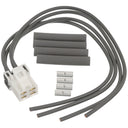
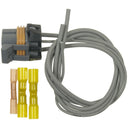
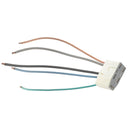
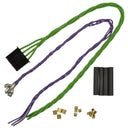

The HVAC blower motor resistor harness is the wiring connector that links your blower motor resistor to the vehicle's electrical system, carrying the voltage signals that control fan speed. When the harness fails - usually from heat damage, corrosion at the connector pins, or melted insulation caused by a failing resistor drawing excess current - you lose the ability to regulate fan speed or the blower stops working on certain settings altogether. These harnesses are not universal; connector shape, pin count, and wire gauge vary significantly by make, model, and model year, so confirm fitment carefully before ordering. OEM harnesses use factory-spec connectors and wire insulation rated for underdash heat exposure. Quality aftermarket options are a cost-effective alternative, but check that the connector body is heat-resistant nylon and that the terminal pins are copper, not aluminum, for a reliable long-term connection.
Signs you need replacement
- Blower fan works only on high speed - This is the classic symptom of a failed resistor circuit, but a burned or corroded harness connector can cause the same result by breaking the low-speed signal path.
- Visible burn marks or melted plastic at the resistor connector - Heat from a failing or overloaded blower motor resistor frequently scorches the harness first; a melted connector won't make a reliable electrical contact even with a new resistor installed.
- Blower motor is completely inoperative - If the motor, fuse, and resistor all test good but the fan won't run, a broken or corroded pin in the harness is the likely culprit.
- Intermittent fan operation that changes with temperature - Thermal expansion can cause a cracked or damaged harness connector to lose contact when the underdash area heats up, then briefly restore it when the car cools down.
- New resistor fails again quickly after replacement - A damaged harness with high-resistance connections causes the new resistor to overheat and burn out prematurely; always inspect the harness when replacing the resistor.
Frequently asked questions
- How often does a blower motor resistor harness need to be replaced? There's no scheduled replacement interval - these harnesses typically last the life of the vehicle unless the blower motor resistor fails and damages the connector through heat. In practice, most replacements happen between 80,000–150,000 miles, often triggered by a resistor failure. Always inspect the harness whenever the resistor is replaced.
- Should I use an OEM or aftermarket blower motor resistor harness? OEM harnesses guarantee an exact connector fit and factory-grade insulation, which matters in the heat environment near the heater box. Quality aftermarket harnesses from brands like Standard Motor Products or Dorman are a reliable, lower-cost alternative - just verify the pin count and connector body match your application exactly before installing.
- What else should I replace at the same time as the harness? Replace the blower motor resistor at the same time - the two components fail together frequently, and labor overlap makes it cost-effective. If the blower motor is drawing abnormally high current (a common cause of harness damage), replace it as well. Total DIY cost for harness plus resistor typically runs $25–$80 in parts depending on vehicle.