
Select your vehicle
Tire Service


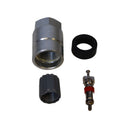


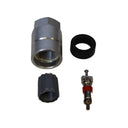

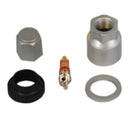


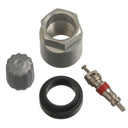


TPMS sensor service kits contain the small components that seal and secure each tire pressure sensor to your wheel: valve cores, valve caps, valve stems, grommets, seals, and mounting nuts. These parts are inexpensive but critical - a degraded rubber grommet or corroded valve stem can cause a slow leak or throw a false TPMS warning even when the sensor itself is functioning correctly. Service kits should be replaced every time a tire is dismounted, since the rubber seals compress and distort during the process and rarely seal reliably a second time. When buying, confirm the kit matches your sensor brand (Schrader, Continental, Huf, Denso, and others use different hardware dimensions) and whether your wheels have aluminum or steel valve holes, which affects the grommet spec. OEM-matched kits are the safest choice for direct-fit sensors, but quality aftermarket kits from Schrader or Standard Motor Products cover most applications at lower cost.
Signs you need replacement
- TPMS warning light stays on after inflating tires to spec. If pressure is correct but the light won't clear, a failed seal or corroded valve core on the sensor may be causing a slow leak or intermittent signal dropout.
- Visible corrosion or white residue around the valve stem base. Galvanic corrosion between aluminum wheels and metal sensor hardware is common in road-salt regions and can lock the sensor in place or compromise the seal.
- Slow tire leak traced to the valve stem area rather than the tread. A worn grommet or degraded O-ring on the sensor mount is a frequent cause of leaks that don't show up during standard puncture inspection.
- Tires are being dismounted for any reason - rotation, seasonal swap, or new tire install. Shop standard and most sensor manufacturers recommend replacing the full service kit any time the tire comes off the rim, since reusing compressed seals is a leading cause of comebacks.
- Snapped or stripped valve stem nut during sensor removal. Corroded hardware often fails during disassembly; having a service kit on hand avoids delays and prevents reusing compromised fasteners.
Frequently asked questions
- Do I need to replace the TPMS service kit every time I get new tires? Yes - this is standard practice industry-wide. The rubber grommet and O-ring seal permanently deform once compressed against the wheel, so they won't create a reliable seal if reused. Most tire shops include a service kit in their TPMS service fee; if you're doing it yourself, budget $2–6 per sensor for the kit.
- Are aftermarket TPMS service kits as reliable as OEM hardware? For most applications, yes - provided the kit is spec'd to your sensor brand and model. Schrader and Standard Motor Products (Intermotor) manufacture kits that meet or exceed OEM tolerances. Avoid generic no-brand kits with inconsistent rubber durometer ratings, especially if you're in a high-corrosion environment or running aluminum wheels.
- What does a TPMS service kit typically cost, and should I replace the sensor at the same time? Service kits run $2–8 per wheel depending on brand and sensor type. If the sensor battery is over 7–10 years old or the sensor housing shows heavy corrosion, replace the full sensor while the tire is already off - sensors run $25–80 each and the labor overlap makes it cost-effective to do both in one visit.